

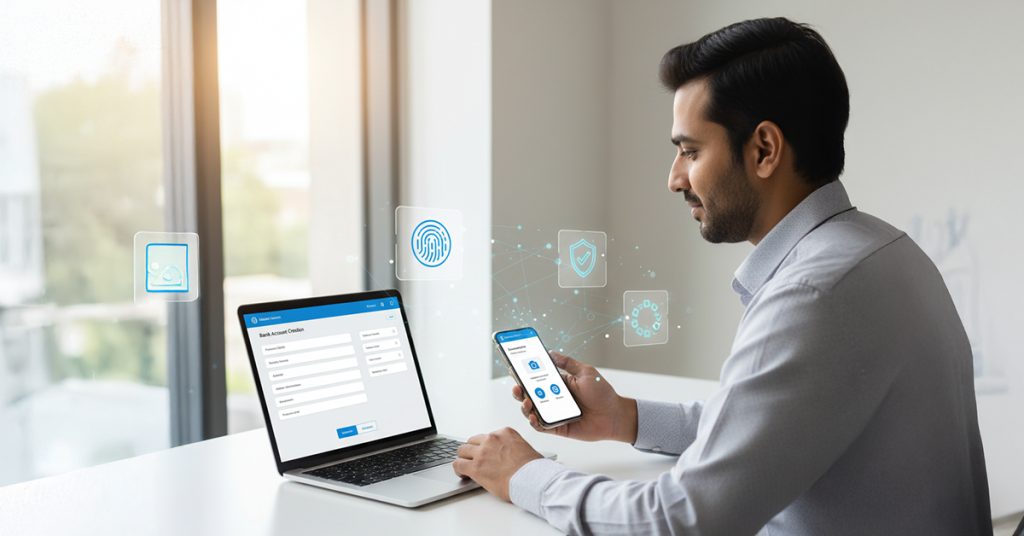
Introduction
A digital current account has become an essential tool for modern businesses. It offers flexibility, speed and convenience by allowing companies to manage their finances entirely through online platforms. With growing digital adoption, business owners now need fewer branch visits and can handle cash flow, payments and tracking from any location. Understanding the key features of a digital current account helps you choose the right one for your business and operate more efficiently. This guide explains the most important features that business owners should know.
Key Features of a Digital Current Account
Digital current accounts come with several features that streamline business operations, simplify payments and improve financial control.
Online onboarding and instant activation:
Unlike traditional accounts that require lengthy paperwork, digital current accounts allow online onboarding. This helps businesses open an account quickly, often without in-person visits. Instant activation supports faster financial setup for new or small businesses.
Easy fund transfers:
Digital current accounts support quick online transfers through multiple channels. This helps businesses manage supplier payments, salaries, refunds and other financial obligations without delay. The convenience of transferring money from anywhere improves overall operational efficiency.
Automated payment tools:
Many digital platforms include tools for recurring payments, scheduled transfers and bulk payouts. These features help businesses automate salary distribution, vendor payments and subscription-based expenses.
Integrated dashboards:
A digital current account typically offers a dashboard that displays balances, recent transactions and spending patterns. This helps business owners stay in control of their finances and track cash flow with clarity.
Cheque and cash management through digital requests:
Although cheque and cash handling may require branch support, many digital accounts allow online requests for cheque books, stop payments, and cash pickup or deposit scheduling. This reduces the need for physical visits.
Account statements and analytics:
You can download statements instantly in different formats. Some platforms also provide analytics that help identify spending trends, payment cycles or areas where expenses can be optimised.
Mobile app access:
Mobile access allows business owners to monitor and manage the account on the go. Daily tasks such as approving payments, checking balances or verifying transactions become easier with a smartphone.
Advanced Features That Support Business Growth
Beyond basic banking functions, some digital current accounts include advanced tools that help businesses operate more efficiently and maintain financial discipline.
Auto sweep facility:
This feature shifts surplus money from the current account into a short-term deposit automatically. It helps businesses earn interest on idle funds while still maintaining liquidity for daily operations.
Bulk payment processing:
Businesses that handle multiple vendor or employee payments benefit from bulk processing. With a single file upload, you can process dozens or even hundreds of payments at once. This saves time and reduces manual errors.
Payment gateway integration:
Digital current accounts often integrate with payment gateways, allowing businesses to receive online payments seamlessly. This helps streamline cash flow, especially for e-commerce companies or service providers who handle recurring transactions.
Expense and invoice management tools:
Some accounts offer features for uploading invoices, tracking pending payments and managing expenses. These tools support better financial planning and reduce administrative workload.
User access control:
Businesses with multiple employees can assign different access levels. For example, one employee may view statements, while another may handle payments. This ensures security and smooth internal management.
Real-time alerts:
Instant notifications for withdrawals, deposits or unusual activity help business owners stay updated. Quick alerts improve account security and help detect discrepancies early.
API support for automation:
Growing companies may use APIs to integrate their current account with internal systems such as accounting software, inventory platforms or payroll tools. This allows automated reconciliation and faster financial processes.
Conclusion
A digital current account offers powerful tools that simplify business banking and improve financial management. With features such as online onboarding, automated payments, mobile access, dashboards and advanced tools like auto sweep and payment gateway integration, business owners gain full control over their operations. By understanding these capabilities, you can select a digital current account that supports your business model and makes daily financial tasks more efficient. A well-chosen digital account helps streamline cash flow, reduce manual work and support long-term business growth.
