

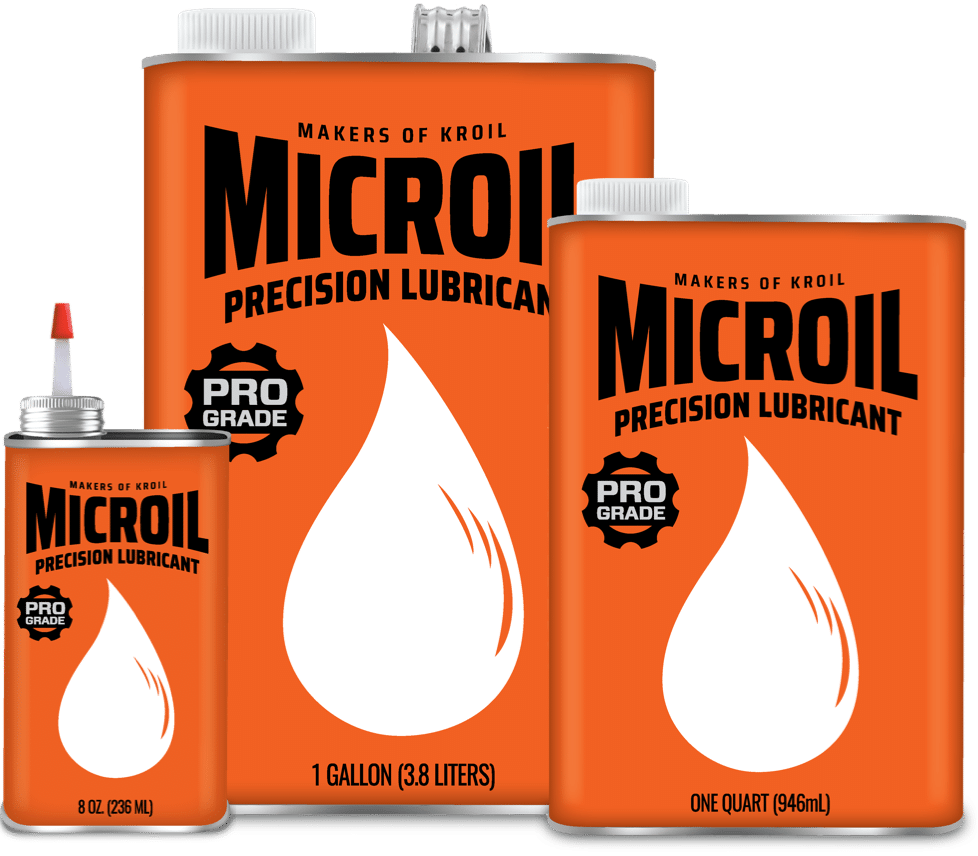
When it comes to maintaining machinery, tools, or even household metal items, selecting the right lubricant can make all the difference. Using the wrong product can lead to excessive wear, rust, or even mechanical failure. Whether you’re handling a DIY project at home or managing industrial equipment, understanding how to choose the best metal lubricant ensures smooth operation, longevity, and cost savings. This guide will walk you through the essential factors to consider and provide practical tips to make an informed choice.
Understand the Purpose of Metal Lubricants
Metal lubricants serve multiple purposes beyond simply reducing friction. They create a protective barrier between metal surfaces, preventing wear and corrosion. In industrial settings, an industrial lubricant also helps reduce heat buildup during prolonged operations, enhancing efficiency and reliability.
Before selecting a lubricant, it’s important to define the task. Are you aiming to reduce friction between moving parts, prevent rust, or facilitate easy disassembly of tight components? The intended purpose will influence the type of lubricant you choose.
Identify the Type of Metal Surfaces
Not all metal surfaces respond the same way to lubricants. Aluminum, stainless steel, copper, and iron have different properties, and certain lubricants may perform better on one type than another. For example, softer metals can be prone to scratching, so a thicker, protective lubricant may be preferable.
In addition, consider whether the surfaces will be exposed to moisture, chemicals, or extreme temperatures. Lubricants that are water-resistant or heat-stable may be necessary to prevent corrosion and maintain functionality over time.
Consider the Viscosity and Thickness
Viscosity, or the thickness of a lubricant, plays a crucial role in its performance. Low-viscosity lubricants are ideal for precision tasks or small moving parts, while high-viscosity options provide longer-lasting protection on larger or heavier components.
Industrial lubricant often comes in a range of viscosities designed to handle demanding mechanical operations. When choosing a lubricant, match the viscosity to the application. Too thin, and it may not provide adequate protection; too thick, and it may hinder movement or attract debris.
Check for Additives and Special Properties
Some lubricants include additives that enhance their performance. Anti-wear agents, corrosion inhibitors, and extreme pressure (EP) compounds can improve efficiency and extend the life of metal components. For industrial applications, these additives can be critical in preventing costly breakdowns or unplanned downtime.
For DIY or home repair tasks, look for lubricants that offer rust protection and long-lasting coverage. Even if the equipment isn’t subjected to heavy stress, these features can significantly improve the lifespan of tools and components.
Temperature and Environmental Considerations
Temperature plays a significant role in lubricant selection. Metal parts that operate in high-heat environments, such as engines or industrial machinery, require lubricants that remain stable under extreme temperatures. Conversely, cold environments may cause some lubricants to thicken, reducing their effectiveness.
Environmental factors like humidity, exposure to water, or the presence of dust and debris also influence the choice. Industrial lubricant often features enhanced protective properties to withstand harsh conditions, while general-purpose lubricants may suffice for indoor or low-stress applications.
Ease of Application and Maintenance
How you apply a lubricant can affect both performance and convenience. Spray-on lubricants allow for quick coverage of hard-to-reach areas, while grease or paste may provide longer-lasting protection for high-friction components. Consider how frequently the lubrication needs to be reapplied and whether you require a product that can stay in place for extended periods.
For industrial maintenance, time is money. Lubricants that are easy to apply and maintain can significantly reduce labor costs and operational downtime. For smaller tasks or home repairs, ease of application ensures you achieve proper coverage without creating a mess.
Assess Safety and Compatibility
Safety is an often-overlooked factor when selecting a lubricant. Some lubricants contain chemicals that may be harmful if inhaled, ingested, or exposed to skin. Always read labels and follow safety instructions, particularly when working in enclosed spaces or around children and pets.
Compatibility with other materials is also essential. Certain lubricants may react with plastics, rubber seals, or painted surfaces, causing damage. Ensure the lubricant is safe for all materials involved in your repair or maintenance task.
Test Performance Before Committing
Before applying lubricant to an entire machine or component, consider testing it on a small area. Observe how it performs under operating conditions, noting factors such as friction reduction, resistance to heat, and protective qualities. Testing can help you avoid potential issues and confirm that the lubricant is suitable for the intended application.
Balancing Cost and Performance
While it may be tempting to choose the cheapest option available, remember that quality and performance often justify the investment. Using a high-quality metal lubricant reduces wear and maintenance costs over time, ultimately saving money. For industrial applications, investing in a reliable industrial lubricant can prevent downtime and extend equipment life, offering significant long-term benefits.
Key Tips for Choosing the Right Lubricant
- Identify the purpose: Determine whether the task requires friction reduction, rust prevention, or both.
- Match the metal type: Consider the material you are lubricating to prevent damage or wear.
- Check viscosity: Choose a thickness that aligns with the movement and stress level of the components.
- Look for additives: Anti-wear, corrosion inhibitors, and extreme pressure properties enhance performance.
- Consider the environment: Take into account temperature, moisture, and exposure conditions.
- Evaluate application method: Ensure the lubricant is easy to apply and maintain.
- Verify safety and compatibility: Avoid chemical or material conflicts that may cause damage.
- Test before full use: Apply to a small section to confirm performance.
Conclusion
Choosing the best metal lubricant doesn’t have to be complicated if you understand the key factors involved. From viscosity and additives to temperature stability and safety, each consideration ensures that your equipment, tools, and components remain protected and efficient. Whether you’re tackling a home repair or managing industrial machinery, investing time in selecting the right lubricant saves effort, reduces wear, and enhances performance. By following these guidelines, you can confidently select a lubricant that meets your needs and keeps your metal surfaces operating smoothly for years to come.
