

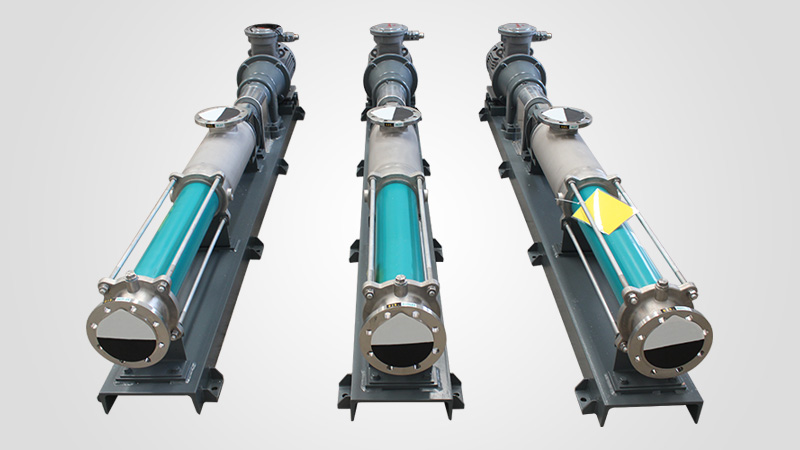
Progressing cavity pumps have become indispensable in industries ranging from wastewater management to chemical processing, thanks to their ability to handle viscous fluids and maintain consistent flow rates. Often abbreviated as PC pumps, these devices offer precise and efficient pumping solutions. However, like any mechanical equipment, their performance and longevity depend heavily on proper maintenance practices. This article will guide you through actionable strategies to maintain progressing cavity pumps, ensuring they operate reliably and achieve maximum lifespan.
Understanding Progressing Cavity Pumps
Before diving into maintenance practices, it is essential to understand the basics of progressing cavity pumps. A PC pump operates using a helical rotor that rotates inside a stator, creating cavities that move fluid from the suction side to the discharge side. This design allows the pump to handle high-viscosity fluids, solids-laden liquids, and shear-sensitive materials efficiently. Despite their robust design, progressing cavity pumps are susceptible to wear and tear, particularly on the rotor, stator, and drive components.
Recognizing these vulnerabilities helps operators develop a proactive maintenance plan rather than reacting to failures.
Key Maintenance Practices for Progressing Cavity Pumps
- Routine Inspection and Monitoring
Routine inspection is the cornerstone of maintaining any PC pump. Operators should regularly examine the pump for signs of wear, leakage, unusual vibration, or noise. Checking the pump’s temperature and pressure readings against standard operating conditions can help detect early anomalies.
Monitoring wear patterns on the rotor and stator can also prevent costly downtime. In particular, excessive clearances between the rotor and stator indicate that parts are nearing the end of their service life and may require replacement.
- Proper Lubrication
Lubrication plays a vital role in prolonging the life of progressing cavity pumps. Many PC pumps use rotary joints, bearings, or gearboxes that rely on consistent lubrication. Operators should follow manufacturer-recommended lubrication intervals and ensure the correct type of lubricant is applied.
Over-lubrication can be as damaging as under-lubrication, potentially causing overheating or leakage. Therefore, maintaining a balanced lubrication schedule is essential for smooth operation.
- Maintaining Optimal Operating Conditions
Progressing cavity pumps are engineered to perform efficiently within specific operating parameters. Operating the pump outside its recommended flow rates, pressures, or viscosities can accelerate wear on both the rotor and stator.
It is crucial to understand the limits of the PC pump you are using and avoid scenarios such as running the pump dry, pumping highly abrasive fluids without proper precautions, or exceeding maximum pressure ratings. Staying within these parameters ensures that the pump functions efficiently and lasts longer.
- Regular Cleaning and Flushing
For industries handling viscous or particulate-laden fluids, residue buildup can become a major concern. Deposits on the rotor or inside the stator can reduce efficiency, increase wear, and eventually lead to failure. Regular cleaning and flushing of the pump with appropriate solvents or flushing fluids helps maintain optimal performance.
Special attention should be given to flushing after pumping corrosive or sticky fluids, as residues can degrade pump components over time. This practice not only maintains performance but also prevents contamination in future batches.
- Seal and Coupling Maintenance
Mechanical seals, packing, and couplings are critical components that ensure leak-free operation and alignment in progressing cavity pumps. Inspect seals regularly for wear, cracks, or leakage. Replacing seals before they fail prevents more extensive damage to the pump.
Similarly, couplings connecting the motor to the PC pump should be checked for misalignment, wear, or vibration. Proper alignment ensures smooth power transmission, reduces stress on bearings, and extends the overall life of the pump.
- Monitoring Drive Systems
The drive system, whether hydraulic, electric, or pneumatic, significantly impacts the performance of a PC pump. Excessive torque, sudden starts or stops, and irregular speeds can stress the pump’s components. Regularly inspect drive systems for signs of wear, lubrication needs, and proper alignment. Using variable speed drives where appropriate can also optimize the pump’s efficiency while minimizing mechanical stress.
Predictive Maintenance and Technology Integration
Modern industrial practices increasingly rely on predictive maintenance for PC pumps. Sensors and monitoring systems can track parameters such as vibration, temperature, pressure, and flow rate. By analyzing this data, operators can predict potential failures before they occur, schedule maintenance proactively, and reduce unplanned downtime.
Integrating technology with traditional maintenance practices enhances reliability and ensures that progressing cavity pumps operate at peak efficiency throughout their lifecycle.
Common Mistakes to Avoid
While maintaining a PC pump, some mistakes are more detrimental than others. Avoid running the pump dry, as this causes immediate damage to the stator. Neglecting routine inspections or ignoring abnormal vibrations can result in costly repairs. Using incorrect fluids, operating outside recommended conditions, or skipping lubrication schedules are other common pitfalls. Awareness and preventive action are critical to overcoming these challenges.
Benefits of Proper Maintenance
Adopting a systematic maintenance routine for progressing cavity pumps delivers several benefits. These include:
- Extended Service Life: Regular care prevents premature wear and reduces the need for frequent replacements.
- Operational Efficiency: Well-maintained pumps operate closer to their optimal efficiency, reducing energy costs.
- Reduced Downtime: Proactive maintenance minimizes unexpected breakdowns, ensuring uninterrupted processes.
- Cost Savings: Timely interventions are generally far less expensive than major repairs or full component replacements.
Progressing cavity pumps are valuable assets for industries handling challenging fluids. Proper maintenance practices, including routine inspections, lubrication, seal checks, optimal operating conditions, and predictive monitoring, are essential to ensure these pumps achieve maximum longevity. By integrating these strategies into regular operations, operators can maximize performance, reduce downtime, and safeguard their investment in PC pumps.
Investing time and resources in maintenance may seem routine, but it pays dividends in efficiency, reliability, and cost savings. A well-maintained progressing cavity pump not only delivers consistent performance but also remains a dependable workhorse for years to come.
